Virtual Reality Pilots Signal Next Phase for Immersive Experiences at Licensed Gaming Venues
Written by Sam Hoffmann · Aug 21, 2026
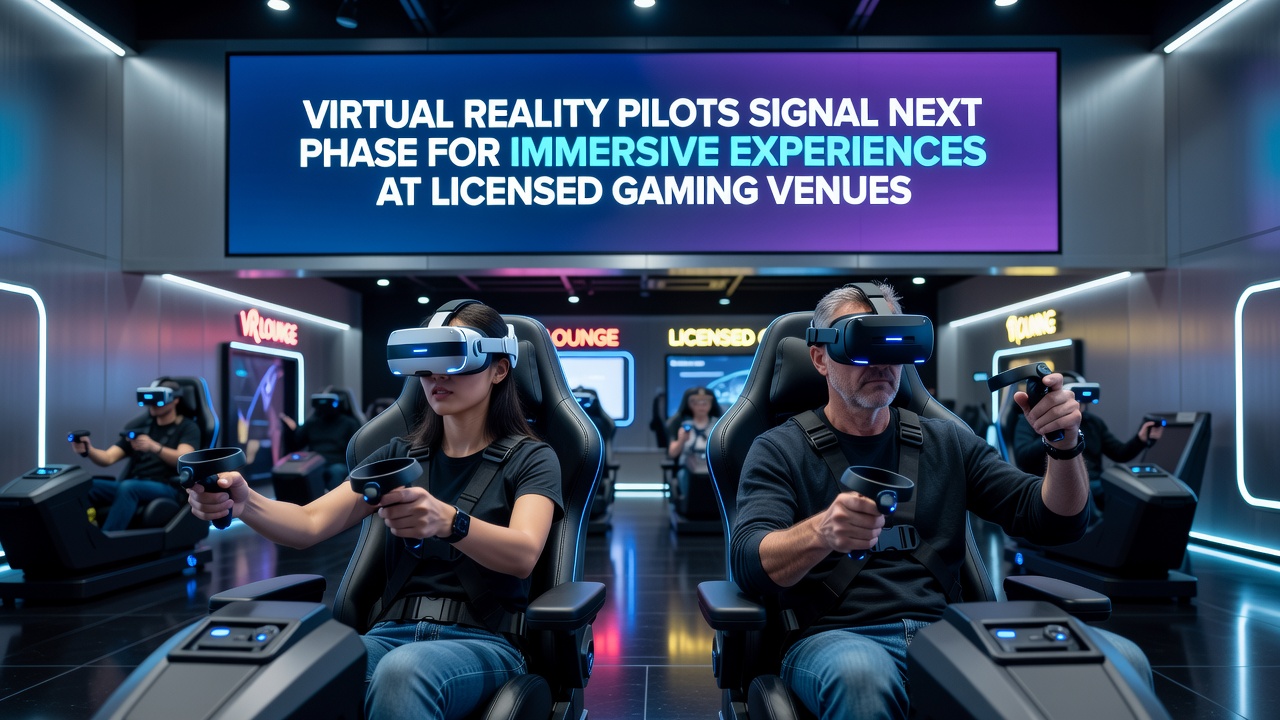
Virtual Reality Pilots Signal Next Phase for Immersive Experiences at Licensed Gaming Venues
Virtual reality pilots have entered licensed gaming venues across multiple jurisdictions during the summer of 2026, and operators report that these trials combine headsets with existing table games plus slot machines to create shared immersive sessions. Data from venue operators show participation rates climbing steadily since the programs began in March, while hardware suppliers note that specialized tracking systems now sync player movements with live dealer feeds in real time.
Technology Integration in Licensed Settings
Engineers at several test sites have connected VR headsets directly to central servers that manage game outcomes and regulatory logging requirements, and this setup allows regulators to audit sessions without interrupting play. Venues in North America and parts of Europe have adopted similar hardware configurations that include motion sensors plus spatial audio, whereas early Australian trials emphasize lighter headsets designed for extended wear during multi-hour visits.
One pilot location in Pennsylvania documented average session lengths extending to 47 minutes when participants used the VR stations, compared with 28 minutes at standard terminals in the same facility. The Pennsylvania Gaming Control Board has required all trial data to feed into a centralized compliance dashboard, and similar reporting standards appear in Canadian provincial frameworks administered by the Alcohol and Gaming Commission of Ontario.
Player Interaction Patterns Observed in 2026
Researchers tracking foot traffic inside participating venues found that VR zones drew clusters of visitors who previously stayed near traditional machines, and group booking options now let friends enter shared virtual spaces where each headset displays synchronized table results. Venue logs indicate that repeat visits among pilot participants increased by 19 percent between April and July, while staff observations note fewer interruptions once players adjusted to the interface.
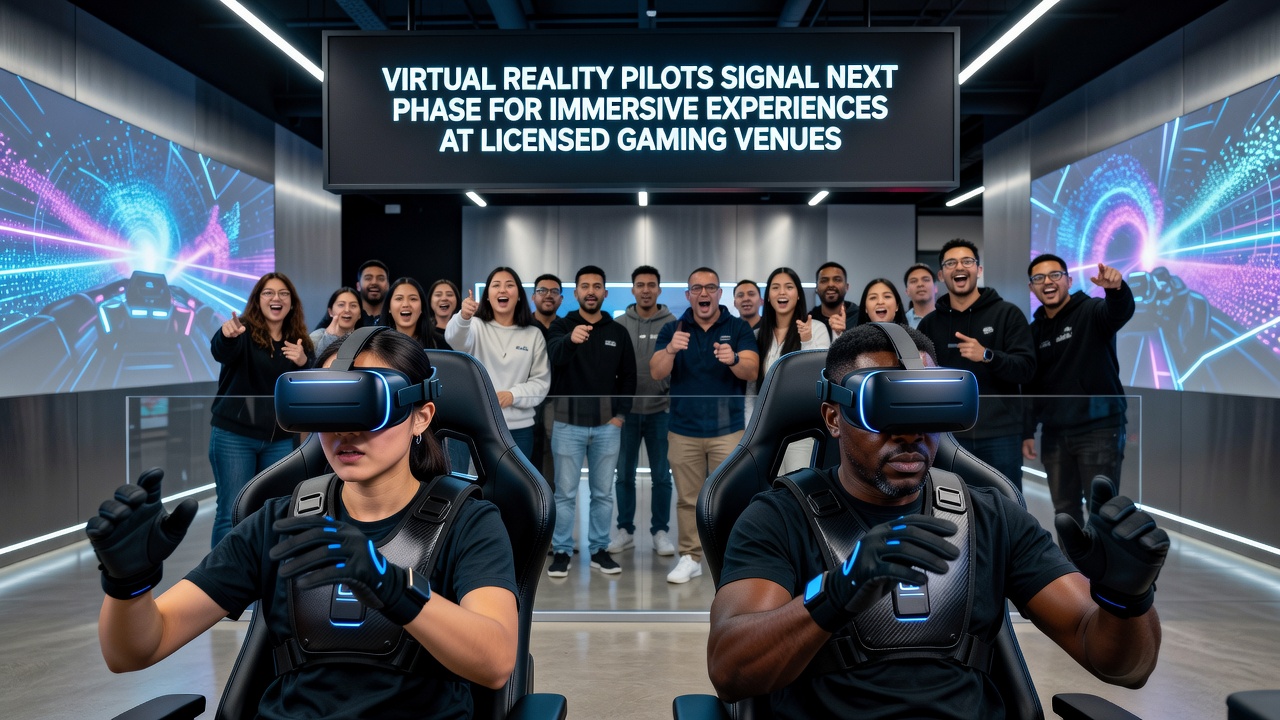
Training programs for dealers and floor supervisors have incorporated VR-specific protocols that cover headset sanitation plus emergency removal procedures, and these modules run alongside regular responsible gaming briefings. Industry associations report that staff certification numbers for immersive equipment handling rose from 312 in January to over 1,400 by August across monitored sites.
Regulatory Frameworks Supporting the Trials
State and provincial regulators have issued temporary licenses that cap the number of VR stations per venue while mandating real-time data transmission for outcome verification, and these conditions mirror earlier standards applied to electronic table games during their introduction phase. European operators reference guidance from the Malta Gaming Authority that outlines hardware certification steps plus player age verification checkpoints integrated into the headset software.
Academic teams from the University of Nevada, Las Vegas have collected anonymized biometric readings during controlled sessions, and their preliminary findings indicate heart rate variability remains within ranges recorded at non-VR terminals when sessions stay under 60 minutes. Those datasets now feed into ongoing discussions at the International Association of Gaming Regulators meetings scheduled for later this year.
Hardware Suppliers and Venue Adaptations
Manufacturers have shipped modular tracking rigs that attach to existing gaming floors without major construction, and several properties completed installations in under three weeks during the spring rollout. Power consumption figures released by two suppliers show each VR station drawing approximately 340 watts during peak use, a level that existing venue electrical systems already accommodate.
Maintenance logs from the first five months highlight that lens cleaning cycles and sensor recalibrations occur most often on weekends when foot traffic peaks, and downtime averages less than 90 minutes per station per month. Operators note that these figures compare favorably with older electronic roulette terminals that required similar upkeep intervals.
Future Expansion Indicators
Booking systems at trial venues now include VR station reservations that integrate with loyalty accounts, and early data suggest that players who reserve ahead spend 12 percent more on ancillary services such as food and beverage. Several chains have submitted expansion proposals that would increase station counts by 40 percent before the end of 2026, pending regulatory review.
Conclusion
Licensed gaming venues continue to refine virtual reality pilots through incremental hardware upgrades and tighter integration with existing compliance tools, while data collection efforts supply regulators and researchers with detailed performance metrics. August 2026 marks the point where several jurisdictions transition from initial testing into structured evaluation phases that will determine permanent licensing criteria for immersive equipment.