Regulatory Reforms Spark Surge in Alternative Payment Adoption at Digital Tables
Written by Quinn Koch · Aug 12, 2026
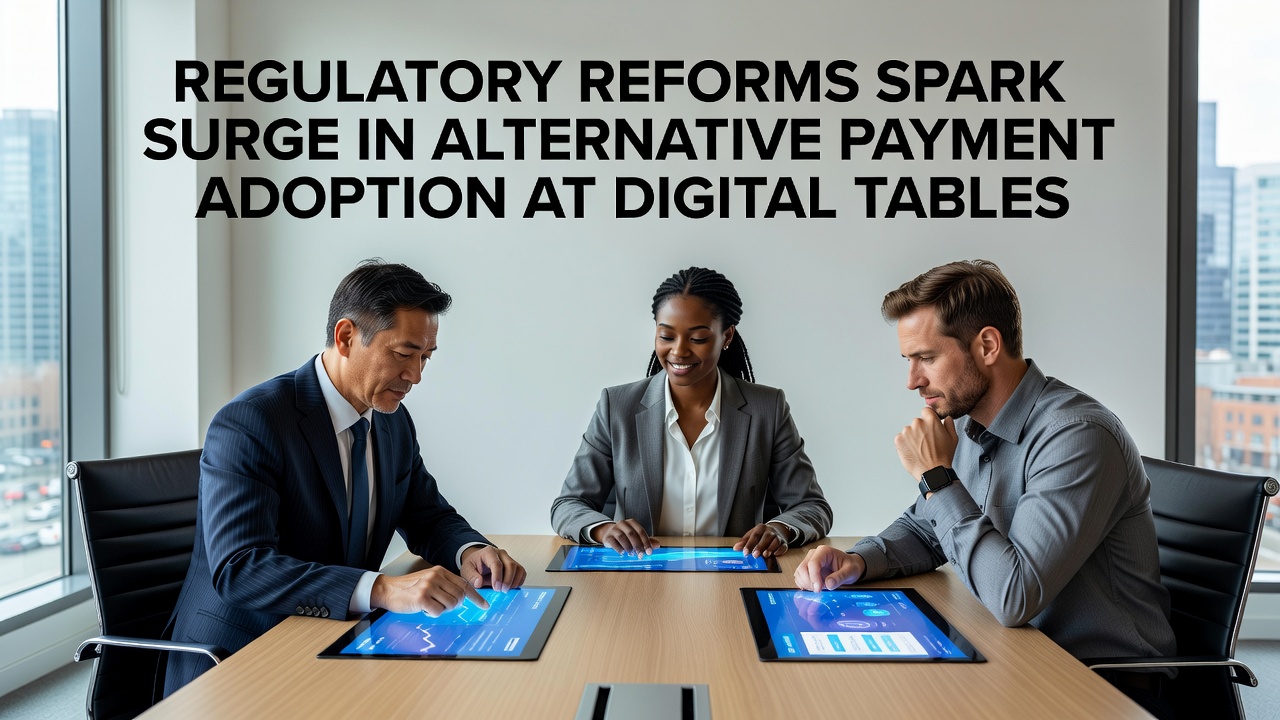
Regulatory Reforms Spark Surge in Alternative Payment Adoption at Digital Tables
Regulatory reforms across multiple jurisdictions have accelerated the shift toward alternative payment methods at digital gaming tables, with operators reporting measurable increases in transaction volumes since early 2025. Data from industry tracking services shows that e-wallets, instant bank transfers, and prepaid digital instruments now account for a growing share of deposits and withdrawals at live dealer platforms. These changes coincide with updated compliance frameworks that emphasize faster verification processes while maintaining strict anti-money laundering standards.
Reforms Drive Payment Diversification
Policy adjustments introduced in several regions have prompted operators to expand their supported payment options at virtual tables, particularly for real-time betting environments where players expect minimal delays between funding and gameplay. Observers note that streamlined licensing requirements for payment processors have opened doors for providers specializing in low-friction solutions, including those integrated directly with mobile banking applications. Figures released by the Alcohol and Gaming Commission of Ontario indicate that alternative methods grew by over 30 percent in regulated markets during the first half of 2026, reflecting similar patterns observed elsewhere.
August 2026 marks a key implementation window for several overlapping rules that require enhanced player verification without restricting payment channel variety. Platforms have responded by embedding more digital wallet partnerships and instant transfer protocols into their table interfaces, allowing users to move funds seamlessly during live sessions. This approach aligns with broader efforts to reduce cash-handling dependencies while supporting responsible play features that track spending across multiple methods.
Operator Adaptations at Live Dealer Platforms
Live dealer operators have integrated new payment rails that accommodate both high-volume and casual players at digital tables, with many platforms now offering tiered options based on transaction size and frequency. Research from the University of Nevada, Las Vegas gaming studies program highlights how these integrations reduce average deposit times by up to 45 seconds per transaction when compared with traditional card processing. Case examples include European operators that adopted multi-currency e-wallet systems following revised EU payment service directives, resulting in higher retention rates during extended table sessions.

What's interesting is the way these reforms have encouraged cross-border payment compatibility, enabling players in one jurisdiction to use instruments approved under another region's framework. Industry reports compiled by the European Gaming and Betting Association document a steady rise in hybrid wallet usage at international-facing live dealer tables, where regulatory alignment reduces friction for multi-market participants. Operators have also introduced automated reconciliation tools that flag unusual patterns across payment types, satisfying oversight demands without slowing gameplay.
Regional Patterns and Data Trends
North American markets show parallel developments, with the New Jersey Division of Gaming Enforcement publishing statistics that link updated payment regulations to increased adoption of bank-linked digital transfers at online tables. Similar shifts appear in Australian regulatory updates, where emphasis on real-time reporting has favored payment providers capable of instant audit trails. These regional variations demonstrate how localized reforms collectively influence global platform design choices for digital gaming environments.
Payment processors report that integration costs have declined as standardized APIs gain traction, allowing smaller operators to offer the same range of alternatives previously limited to major sites. Data indicates that mobile-originated transactions using these methods now exceed desktop volumes at many live dealer tables, a pattern consistent with broader consumer movement toward app-based banking.
Conclusion
Regulatory reforms continue to reshape payment ecosystems at digital tables by prioritizing speed, security, and compliance simultaneously. Evidence from multiple oversight bodies and academic sources confirms sustained growth in alternative method usage, with platforms adapting interfaces to support diverse player preferences while meeting evolving standards. The trajectory through late 2026 suggests further consolidation of these trends as additional jurisdictions finalize their frameworks.