Mobile Transaction Trends Redefine Entry to Digital Gaming Tables and Machines
Written by Sam Hoffmann · Aug 16, 2026
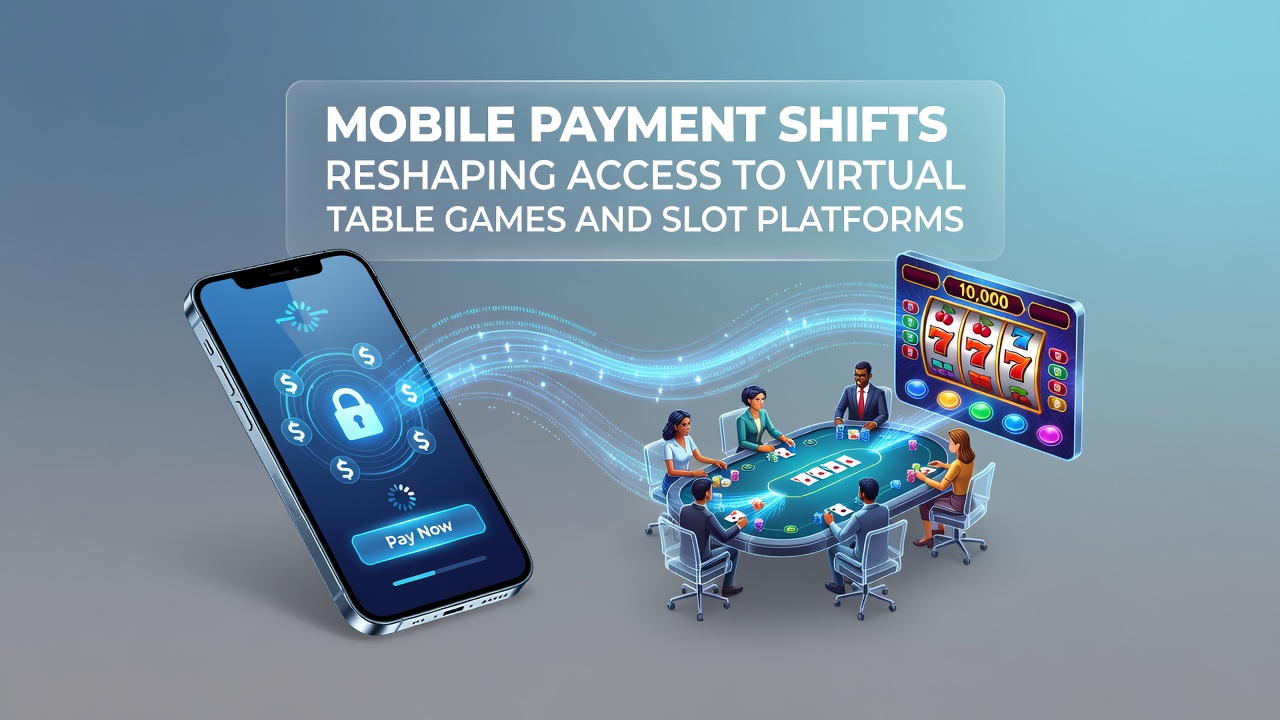
Mobile Transaction Trends Redefine Entry to Digital Gaming Tables and Machines
Mobile payment methods have expanded rapidly in recent years, and data from industry reports indicate these tools now connect more users directly to virtual table games along with slot platforms across multiple regions. Researchers at various institutions have tracked adoption rates, and figures reveal that integration of digital wallets alongside instant banking options has altered how players initiate sessions on mobile devices. According to statistics compiled by the American Gaming Association, transaction volumes through mobile channels rose steadily through mid-2026, while similar patterns emerged in European and Asian markets during the same period.
Payment Method Adoption Patterns
Digital wallets such as Apple Pay and Google Pay have gained traction because they reduce friction during deposits, and this shift allows users to move from account setup to active play in fewer steps than traditional card entries required. Studies conducted by academic groups show that platforms incorporating these options reported higher session initiation rates in August 2026 compared with earlier quarters, whereas regions with slower infrastructure upgrades experienced more gradual changes. Observers note that contactless features built into many smartphones further streamline the process, enabling one-tap confirmations that link directly to gaming accounts without additional verification layers in compliant jurisdictions.
Bank transfer services embedded in mobile apps have also contributed to these developments, and analysts point out that real-time processing times now average under thirty seconds on leading platforms. This efficiency matters because players often decide on participation based on how quickly funds appear in their virtual balances, and data collected across North American operators confirms that faster confirmation correlates with increased activity in both slot titles and table variants like roulette and blackjack.
Impact on Table Games and Slots Specifically
Virtual table environments benefit particularly from these payment evolutions since live dealer streams demand stable connections and immediate funding to maintain engagement during timed rounds. Research indicates that platforms offering mobile-optimized deposits saw participation in live tables climb by double-digit percentages in several markets through the first half of 2026, while slot sessions benefited from the same infrastructure through features such as quick-spin access and bonus round entries. Those who examined user behavior logs discovered that seamless transactions encouraged shorter, more frequent visits rather than extended single sessions, a pattern consistent across device types.
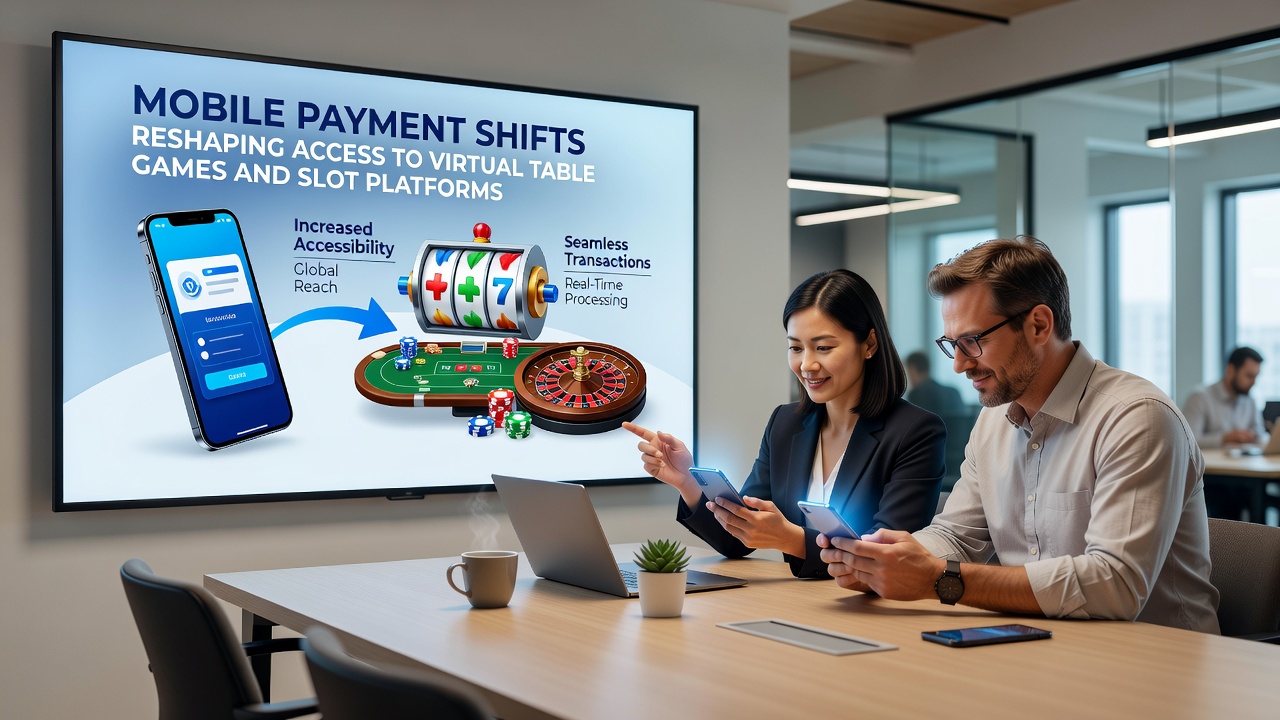
Slot platforms have incorporated similar tools to support progressive jackpot entries and themed event participation, and evidence from operator reports demonstrates that players using mobile payments completed more deposit cycles per week than those relying on older methods. Regulatory bodies in Australia and Canada have documented these trends through licensing data, which shows expanded approval for payment integrations that meet security standards while preserving player safeguards. What's interesting is how these changes intersect with device advancements, since newer smartphones handle encryption and biometric confirmations natively, reducing the steps needed to authorize each transaction.
Regional Variations and Infrastructure Factors
Adoption rates differ by geography because network coverage and banking partnerships vary, and European markets outside the UK have seen quicker rollout of certain wallet services compared with parts of Asia where local regulations shape availability. Figures from the European Gaming and Betting Association highlight that mobile transaction shares exceeded forty percent of total deposits in select countries by August 2026, whereas North American states with newer legalization frameworks reported lower but rising percentages. Infrastructure upgrades such as 5G expansion have supported these increases by minimizing latency during payment handshakes, allowing table game interfaces to remain responsive even while funds process in the background.
Security protocols have evolved alongside payment convenience, and developers now embed multi-factor authentication directly into wallet apps to meet compliance requirements without adding delays. Those monitoring industry metrics note that fraud rates remained stable despite higher volumes, which suggests the combined technical and regulatory approaches have balanced access with protection measures effectively.
Conclusion
Mobile payment shifts continue to influence how participants reach virtual table games and slot platforms through reduced barriers and faster processing, and ongoing data collection from diverse regulatory sources will likely reveal further adjustments in usage patterns as technology and policies develop in tandem.