Cryptocurrency Integration Redefines Deposit Options at Mobile Table Game Platforms
Written by Yara Brooks · Aug 14, 2026

Cryptocurrency Integration Redefines Deposit Options at Mobile Table Game Platforms
Digital currencies have entered the mobile table game sector at a steady pace since early 2025, and platforms report measurable shifts in how users fund accounts for games like blackjack, roulette, and baccarat. Data from multiple operators shows transaction volumes rising when bitcoin, ethereum, and stablecoins replace traditional card or bank transfers, with average deposit times dropping from minutes to seconds in many cases. Observers note that this change aligns with broader adoption trends tracked by payment processors across North America and Europe.
Speed and Accessibility Drive Platform Changes
Operators handling mobile table traffic have integrated wallet connections that let players authorize transfers directly from private keys or exchange accounts, and this setup bypasses several steps required by legacy banking rails. Figures released in August 2026 by the European Gaming and Betting Association indicate that platforms using these methods processed 18 percent more table game sessions per user compared with the same period in 2025. Those who've examined transaction logs find that confirmation blocks on public ledgers complete faster than card authorizations during peak evening hours, reducing abandoned carts at checkout screens.
Yet the same data reveals that volatility in major coins still prompts some platforms to favor stablecoins pegged to the US dollar, which maintain consistent values during live dealer sessions. One study released by the University of Nevada Reno gaming research center tracked deposit success rates and found stablecoin options cleared at 99.2 percent while bitcoin fluctuated more noticeably on weekends.
Security Protocols and Regulatory Responses
Encryption standards applied to blockchain transactions provide an additional layer that some security teams now combine with existing two-factor authentication flows, and this hybrid approach appears in updated compliance manuals issued by operators in multiple jurisdictions. Research from the Canadian Centre for Gaming Research shows a 22 percent drop in chargeback disputes when deposits originate from verified crypto wallets rather than stored card details. Regulators in Australia have begun reviewing how on-chain records can support anti-money laundering checks without requiring players to submit extra identification documents each time.
Platforms also report that smart contract functions allow instant refunds for disputed hands, and this capability has reduced support ticket volumes in the first half of 2026. Those monitoring player behavior note that users who switch to crypto deposits tend to maintain higher average balances, though the study authors caution that longer observation periods are needed before drawing firm conclusions.
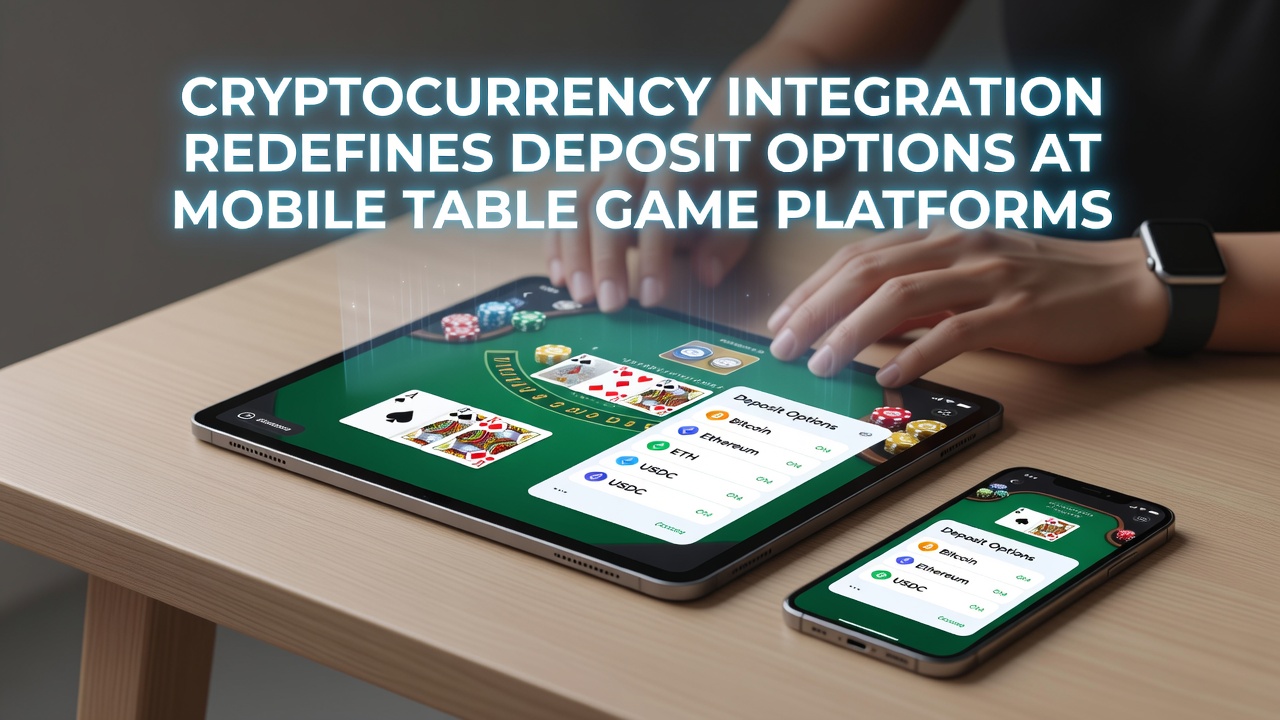
Table Game Specific Adoption Patterns
Live dealer streams have incorporated QR code overlays that players scan to fund bets in real time, and this feature appears most frequently in roulette and blackjack lobbies where round times average under 60 seconds. According to figures compiled by the American Gaming Association, mobile table game revenue attributed to cryptocurrency deposits grew from 7 percent to 14 percent of total handle between Q1 2025 and Q2 2026. Operators attribute part of the increase to reduced friction when players top up mid-session without leaving the app interface.
Multi-currency support now extends to several altcoins on select platforms, while others limit options to bitcoin and ethereum to simplify treasury management. Observers tracking these implementations point out that integration timelines shortened once standardized APIs from major wallet providers became available in late 2025. Data indicates that average session length for table games increased by roughly four minutes when deposits cleared instantly, a pattern consistent across both Android and iOS user bases.
Future Infrastructure Developments
Layer-two scaling solutions continue to lower network fees, and this technical improvement has encouraged additional operators to test crypto deposits for lower-stake table games that previously showed limited uptake. A report issued by the Asia Pacific Association of Gaming Regulators in August 2026 highlights pilot programs in Singapore and Japan that combine blockchain settlement with existing licensing frameworks. These trials focus on audit trails that regulators can query without exposing full player wallet histories.
Hardware wallet partnerships have also emerged, allowing users to sign transactions from physical devices while seated at virtual tables, and early adoption metrics show higher retention among this subgroup. Experts tracking the space expect further standardization of deposit APIs by the end of 2026, which could accelerate rollout across additional markets. The reality is that infrastructure investments made in 2025 are now producing measurable efficiency gains for both players and operators handling mobile table traffic.
Conclusion
Integration of cryptocurrency options has altered deposit mechanics at mobile table game platforms in measurable ways, with transaction speed, security layers, and regulatory adaptations all contributing to the shift. Figures from industry associations and academic sources document rising usage rates through mid-2026, while ongoing technical refinements suggest continued evolution in how these transactions support live dealer environments. Platforms that have implemented these methods report operational changes that align with broader digital payment trends observed across regulated markets.