Cashless Systems Spark Fresh Player Behaviors in Licensed British Gaming Environments
Written by Wendy Hayes · Aug 19, 2026
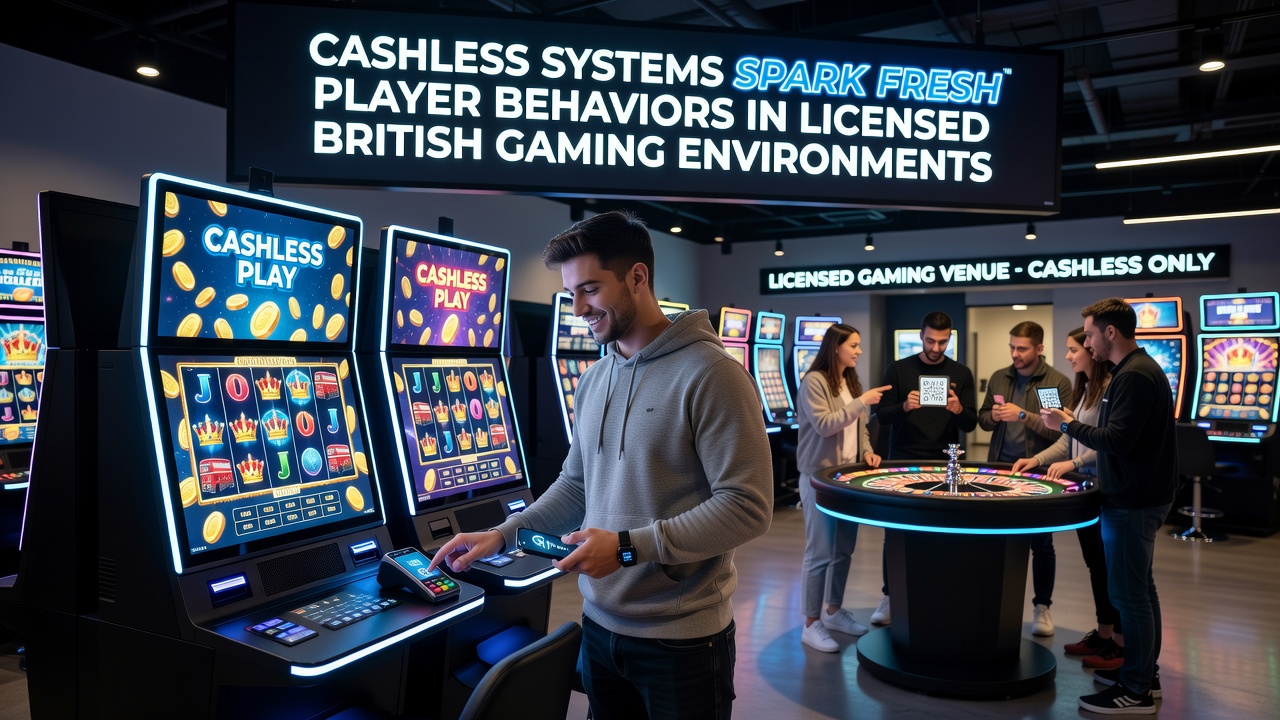
Cashless Systems Spark Fresh Player Behaviors in Licensed British Gaming Environments
Cashless payment systems have expanded across licensed British gaming venues since their broader rollout in prior years, and operators report measurable shifts in how players manage funds, select games, and structure sessions. Data from industry monitoring indicates that contactless wallets and integrated digital accounts now handle a growing share of deposits at both land-based and online platforms operating under British licenses.
Adoption Patterns Across Venues
Venues in major cities and regional centers adopted these systems at different rates, yet by mid-2025 most large operators had implemented at least one form of cashless deposit alongside traditional methods. Players increasingly link bank accounts or digital wallets directly to gaming terminals, which reduces the need to carry cash or visit cashier stations. Research from international bodies such as the Australian Gambling Research Centre shows similar patterns in other regulated markets where digital payments correlate with shorter intervals between deposit decisions and game selection.
August 2026 brought further platform updates in several British chains as new software versions streamlined one-tap transfers from mobile devices. These changes coincide with rising use of near-field communication at slot machines and electronic table games, where transaction confirmation times dropped below two seconds in many tested locations.
Observable Changes in Player Conduct
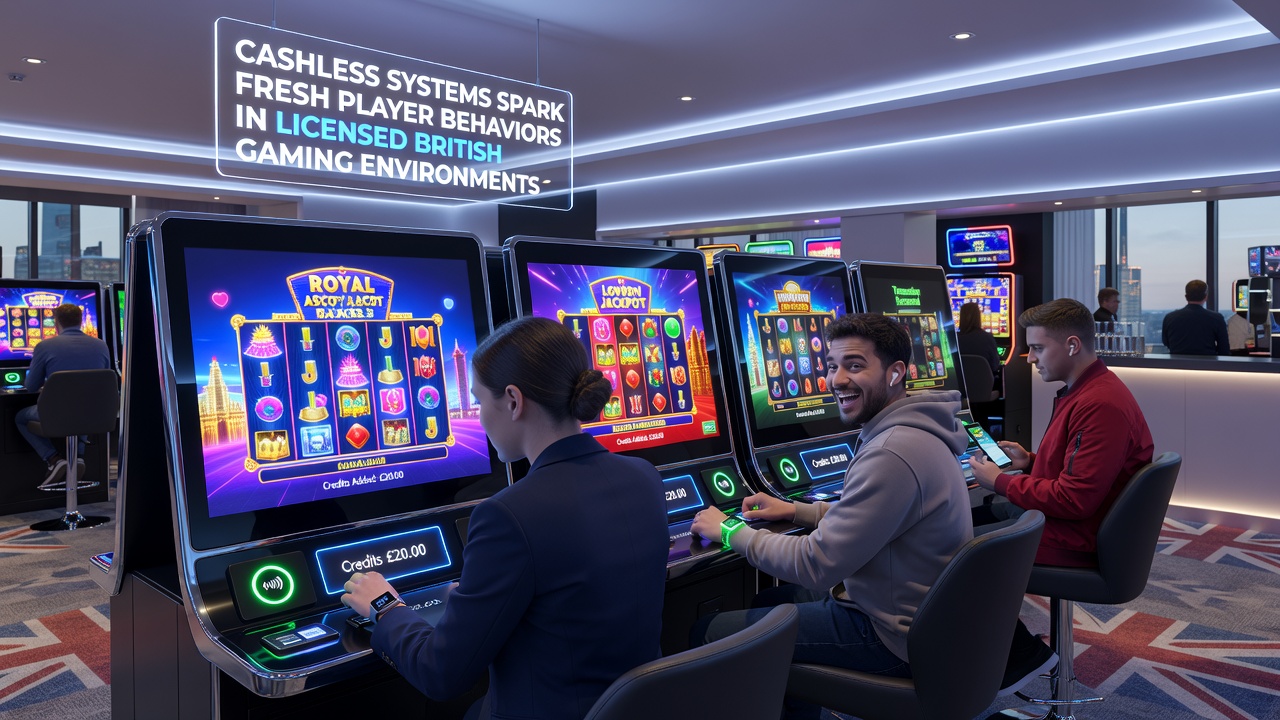
Observers note that deposit frequency has increased in environments equipped with seamless cashless options, while average session lengths show modest extensions in some data sets. Players appear more likely to add smaller top-up amounts throughout a visit rather than committing larger sums at the outset. This pattern emerges across roulette, blackjack, and slot terminals where digital wallets integrate directly with game interfaces.
Game preference data reveals a tilt toward titles with rapid spin or hand cycles, as the reduced friction in funding supports quicker re-engagement after losses or wins. Electronic roulette stations equipped with wallet links recorded higher repeat play rates compared with cash-only counterparts during the same monitoring periods.
Demographic and Behavioral Segmentation
Younger age cohorts demonstrate faster uptake of cashless features, according to aggregated operator reports, whereas older demographics retain mixed usage that includes both digital and physical currency. Those who adopt cashless methods early tend to explore a wider range of game types within single visits, moving between slot banks and table games without interruption for cash handling.
Studies compiled by the Responsible Gambling Council in Canada highlight parallel trends in other jurisdictions, where integrated payment systems coincide with more granular tracking of individual play patterns by operators. British venues apply similar data collection to comply with existing responsible gambling frameworks while refining promotional offers around deposit timing.
Operational and Security Adjustments
Operators adjusted staffing models as fewer cash transactions reduced the volume of manual handling at counters. Security protocols shifted emphasis toward digital audit trails and real-time monitoring of wallet-linked accounts. Multiple systems now flag unusual deposit sequences automatically, feeding into existing anti-money laundering procedures without requiring separate manual reviews in every instance.
Hardware upgrades at gaming floors include reinforced terminal readers and backup offline modes that maintain play continuity during brief network interruptions. These technical layers support the observed behavioral continuity, allowing players to maintain momentum even when primary connections experience momentary delays.
Conclusion
Cashless integration continues to reshape transaction flows and session structures within licensed British gaming settings, with data streams from 2026 indicating sustained movement toward digital funding methods. Operators and regulators track these developments through established reporting channels, while player conduct evolves alongside the technical capabilities now embedded in most major venues.