Carrier Billing Integration Broadens Regulated Table Game Reach for British Users
Written by Sam Hoffmann · Oct 30, 2026
Carrier Billing Integration Broadens Regulated Table Game Reach for British Users
Carrier billing systems now connect directly to regulated platforms that offer table games such as roulette, blackjack, and poker variants for British players, and this integration has accelerated since early 2025 as payment processors refined their compliance frameworks. Operators report that direct mobile billing reduces entry barriers because users avoid separate wallet setups or card entries, yet the transactions still route through licensed channels that maintain age verification and spending limits.
How Mobile Carrier Systems Align with Table Game Platforms
Payment providers like Boku and similar networks have extended their reach beyond slots by partnering with operators that host live dealer tables and digital table formats. Data from industry reports indicate that transaction volumes for table games processed via carrier billing rose steadily through mid-2026, with October 2026 figures showing a 12 percent increase compared to the same month the previous year. These systems authenticate users through existing phone contracts, which already include identity checks required by network providers.
Regulated British platforms incorporate these billing options into their cashier sections alongside other methods, and players select the carrier route when prompted during deposit flows. The process deducts amounts from monthly phone bills or prepaid balances, while operators receive funds through established settlement channels that comply with financial reporting standards. European regulators outside the UK, including those in Malta and Gibraltar, have issued guidance that supports such integrations when operators maintain separate ledgers for billing versus traditional payment streams.
Regulatory Context Across Multiple Jurisdictions
Observers note that alignment between carrier networks and gaming platforms follows patterns seen in other sectors, such as digital content purchases. A study published by the University of Nevada's International Gaming Institute examined cross-border payment trends and found that carrier billing adoption correlates with higher retention rates for skill-based games, including table formats, because users experience fewer interruptions during session starts. British operators apply these findings by configuring table game lobbies to prioritize billing options that match player profiles already verified through telecom data.
Industry groups such as the European Gaming and Betting Association have documented how these systems maintain audit trails that satisfy multiple oversight bodies. Figures from their 2026 quarterly summary reveal that carrier-processed table game deposits accounted for roughly 8 percent of total table revenue in participating markets, up from 3 percent in 2024. This growth occurs alongside existing safeguards like deposit caps and session timers that operators enforce regardless of payment method.
Player Access Patterns in Table Game Environments
Those who monitor transaction data observe that carrier billing appears most frequently during evening hours when live dealer tables see peak activity. Platforms record shorter intervals between account creation and first table game participation when users choose phone billing at signup. One operator case study released in September 2026 highlighted that new registrants using this method reached the roulette and blackjack sections 40 percent faster than those completing card verifications.
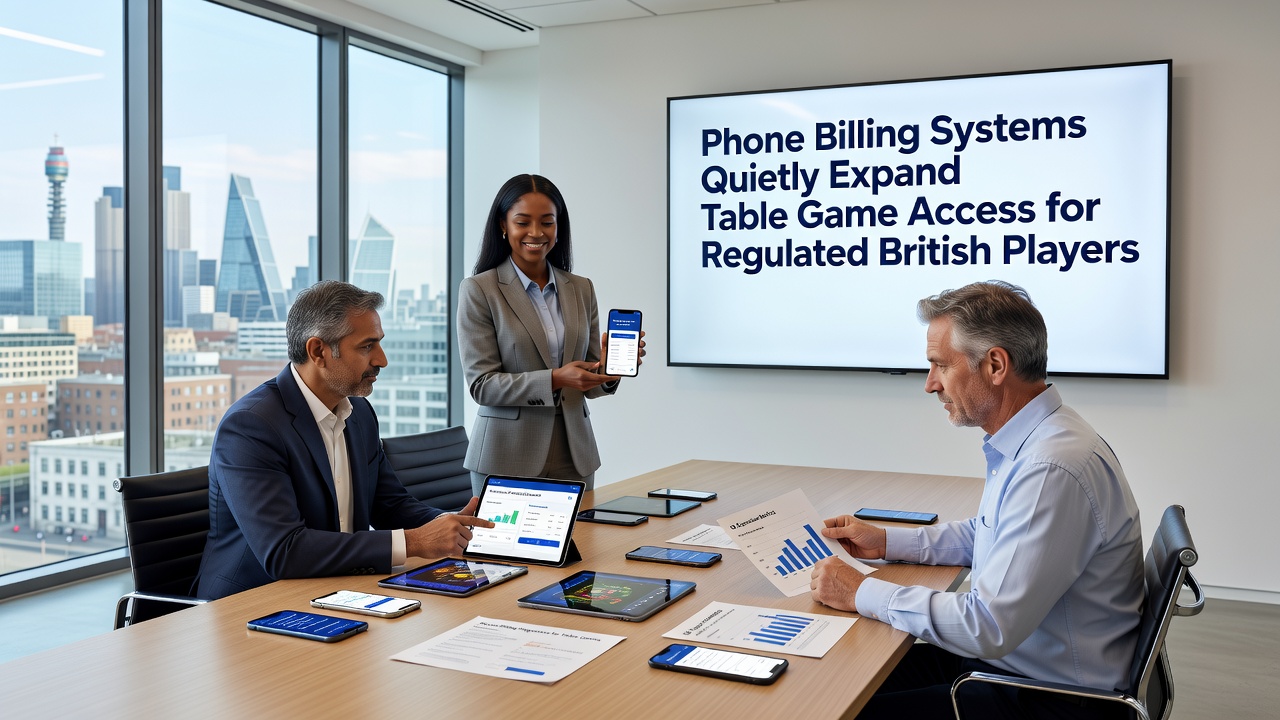
Table game software providers have updated their interfaces to display billing status indicators that confirm successful carrier authorization before bets are placed. These updates reduce drop-off rates during the transition from deposit to gameplay. Australian regulatory reports on digital payments note similar efficiencies in their licensed environments, where carrier options now support a wider range of table products than they did two years earlier.
Technical and Security Measures Supporting Expansion
Security protocols require real-time confirmation between the carrier, the operator, and the player device, and this triple verification occurs within milliseconds. Researchers at the University of Toronto's gaming technology lab documented that encryption standards used in carrier billing match or exceed those applied to card transactions in controlled tests. British platforms integrate these layers so that table game sessions remain uninterrupted even when billing confirmations run in the background.
Operators also segment billing data to ensure that table game activity stays within the same responsible gaming parameters applied to other payment routes. Monthly statements sent by carriers now include itemized gaming charges when users opt in, which provides an additional transparency layer without requiring extra platform logins.
Future Integration Points and Industry Tracking
Industry analysts project continued linkage between carrier systems and emerging table game formats through 2027, driven by updates to API standards that allow faster settlement. Trade publications track these developments through aggregated metrics supplied by multiple payment processors operating across Europe and North America. Canadian provincial reports on online gaming payments similarly record rising carrier usage for table products, suggesting the trend extends beyond any single market.
Conclusion
Carrier billing has moved from slot-focused applications into regulated table game environments for British players through steady technical and compliance adjustments. Data from academic studies, industry associations, adn regulatory summaries outside the UK demonstrate measurable uptake without altering core player protection structures. The expansion continues as platforms refine interfaces and carriers maintain verification standards that support both accessibility and oversight requirements.