Alternative Payment Systems Reshape Digital Casino Transactions as User Behaviors Change
Written by Sam Hoffmann · Aug 21, 2026
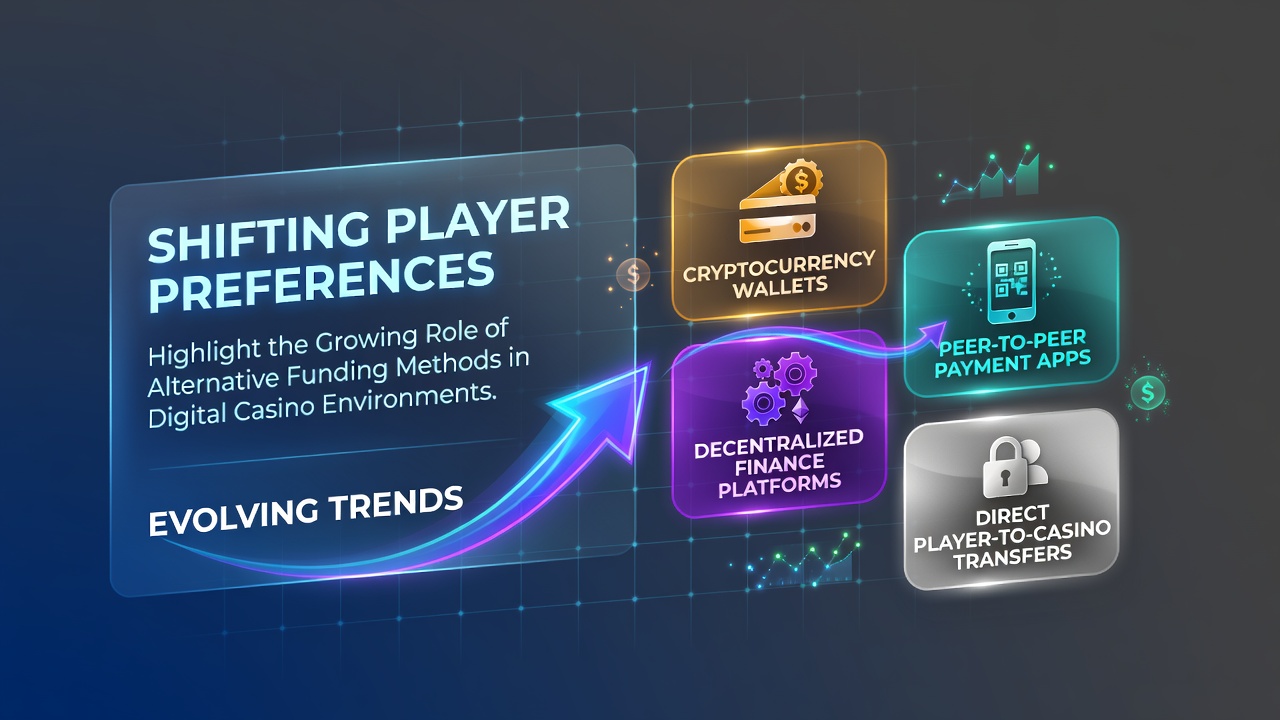
Alternative Payment Systems Reshape Digital Casino Transactions as User Behaviors Change
Player habits in digital casino spaces continue to evolve, with data from multiple regions indicating a clear move toward alternative funding methods that bypass traditional banking channels. Reports compiled through August 2026 show increased transaction volumes through e-wallets, mobile billing services, and cryptocurrency options across platforms operating in various jurisdictions. These shifts align with broader patterns where users prioritize speed, reduced friction, and enhanced privacy during deposits and withdrawals.
Patterns Emerging in Transaction Data
Industry tracking from the American Gaming Association reveals that non-bank transfers accounted for a growing share of activity in regulated markets during the first half of 2026, while traditional card usage declined in several monitored segments. Observers note that players often select these methods because processing times drop from days to minutes in many cases. Data collected by the Australian Communications and Media Authority further supports this trend, documenting similar rises in mobile-based funding within licensed environments.
Key Drivers Behind the Shift
Convenience stands out as a primary factor, with users reporting fewer steps required to fund accounts when employing digital wallets or carrier billing. Security concerns also play a role, as some methods limit exposure of full financial details compared to direct card entries. Research from the European Gaming and Betting Association highlights how these preferences have accelerated since 2024, particularly among mobile-first participants who value seamless integration with existing device ecosystems.
One analysis of transaction logs from Canadian operators showed that phone-based deposits rose steadily through mid-2026, coinciding with expanded 5G coverage in urban areas. Those who track these metrics point to reduced abandonment rates during checkout as another measurable outcome when alternative options appear prominently in payment menus.
Regional Variations in Adoption Rates
European markets demonstrate faster uptake of cryptocurrency options in certain segments, according to figures released by regulatory bodies in Malta and Gibraltar. Meanwhile, North American data indicates stronger growth in prepaid voucher systems and instant bank transfer services. Australian statistics from the same period reflect a balanced mix, with e-wallets leading but contactless methods gaining ground among younger demographics.

These differences often trace back to local infrastructure and consumer familiarity with specific technologies. Platforms respond by tailoring payment displays to regional patterns, ensuring relevant options surface first during user onboarding.
Platform Adaptations and Implementation
Operators have expanded support for multiple gateways to accommodate these preferences, integrating APIs from various providers to handle diverse transaction types without delays. Case examples include platforms that added cryptocurrency wallets in early 2026 after observing sustained demand in pilot regions. Such adjustments correlate with higher retention metrics in tracked cohorts, though exact causation remains subject to ongoing study by independent research groups.
Technical teams at several large sites describe streamlined backend processes that reconcile these new methods alongside legacy systems, reducing reconciliation errors and improving audit trails. This integration work continues as standards evolve across borders.
Future Outlook Based on Current Indicators
Projections through the remainder of 2026 suggest continued expansion of these funding channels, driven by ongoing technological improvements and user feedback loops. Regulatory frameworks in multiple areas now incorporate specific guidelines for alternative methods, addressing both consumer protection and operational transparency. Academic papers emerging from institutions in Canada and Australia examine the long-term implications for responsible gaming tools when transaction speeds increase.
Conclusion
Evidence gathered across jurisdictions points to sustained movement toward alternative funding in digital casino environments, reflecting broader changes in how participants interact with financial services. Continued monitoring by industry bodies and academic researchers will clarify the extent of these transformations as new data becomes available.